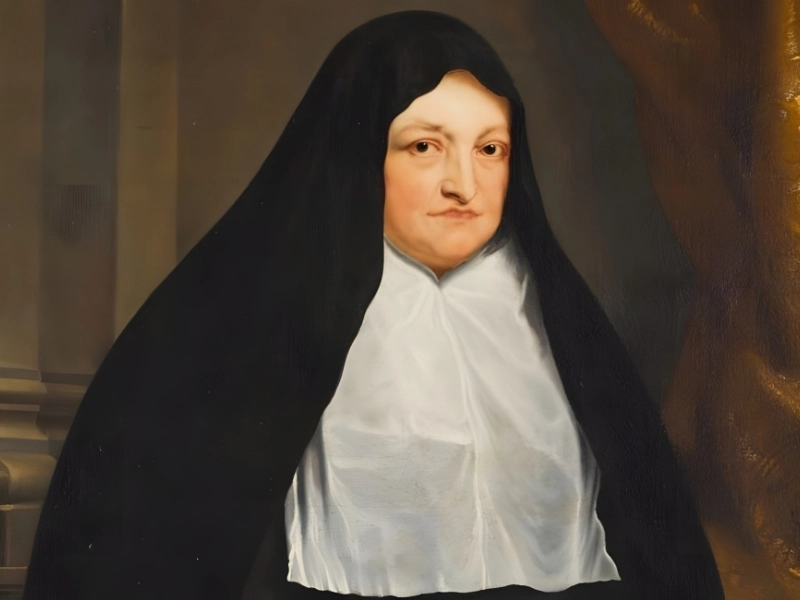
6. The Original Portrait of Anthony van Dyck
Discovery of a Van Dyck Painting Copy in London
Location: London
Year Found: 1970s
Estimated Value: Unknown
In the 1970s, Chris Wright stumbled upon an antique shop in London where he discovered what appeared to be a good copy of the original Anthony van Dyck painting of Infanta Isabella Clara Eugenia, a prominent 17th-century ruler of Brussels. At the time, it was widely believed that only 20 copies of this masterpiece existed.
Without much hesitation, Wright purchased the painting for just $88, not fully grasping the significance of his find. His decision would later prove to be a pivotal moment in the art world, challenging previous assumptions about the painting's copies and their historical context.
Conclusion
Wright's discovery serves as a fascinating reminder of the hidden treasures that can be found in unexpected places. It highlights the importance of art history and the ongoing exploration of masterpieces, as well as the potential for new revelations that can reshape our understanding of renowned artists like Anthony van Dyck. This incident underscores the idea that sometimes, what seems ordinary can hold extraordinary value and significance.
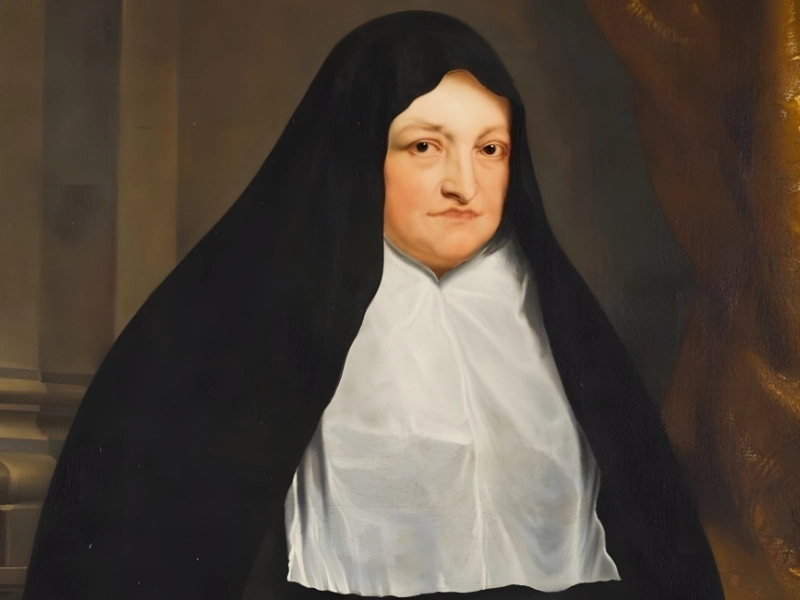
Revelation of a Potential Original Van Dyck Portrait
Location: London
Year Found: 1970s
Estimated Value: Unknown
Approximately fifty years after Chris Wright's discovery of the painting in a London antique shop, specialists from the Courtauld Institute of Art began to investigate the artwork further. Their analysis led them to "tentatively propose" that what was initially thought to be a mere copy of Anthony van Dyck's portrait of Infanta Isabella Clara Eugenia might actually be an original piece, possibly created in van Dyck's own studio.
This revelation not only challenges previous assumptions about the painting's provenance but also highlights the complexities of art attribution and the ongoing dialogue within the art community regarding authenticity.
Conclusion
The potential reclassification of Wright's find as an original work underscores the dynamic nature of art history, where new research and discoveries can dramatically alter our understanding of renowned artists and their creations. This case serves as a reminder of the importance of continued scholarship and the excitement that comes with uncovering the true stories behind historical artworks.